
VISION
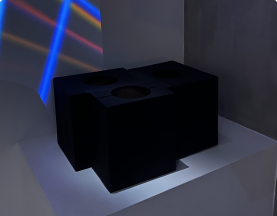
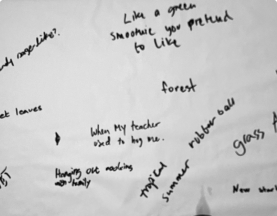
Everything began with a single question: What actually makes us human? Rather than answering it directly, we wanted visitors to rediscover humanity by experiencing ordinary life from the perspective of an outsider.
THE FIVE SENSES
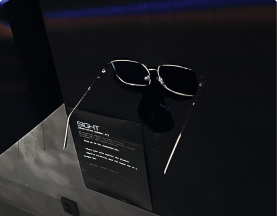
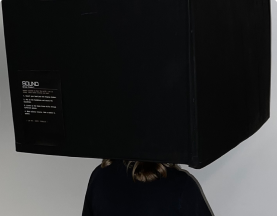
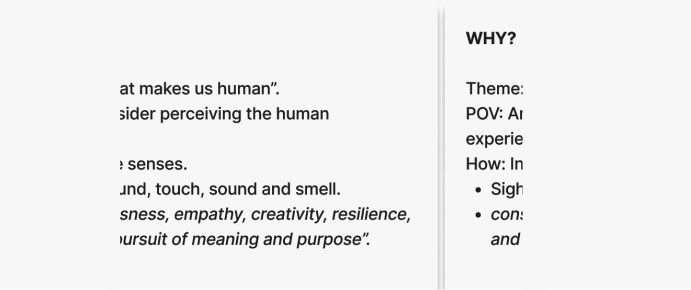
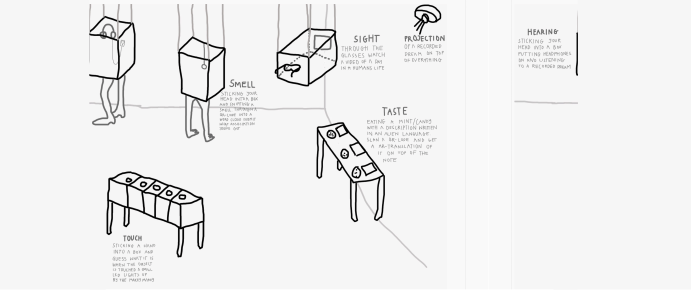
The five senses became the foundation of the exhibition. Instead of explaining humanity through facts or history, we explored how humans perceive, remember and connect with the world through sight, sound, touch, taste and smell.
ALIEN LABORATORY
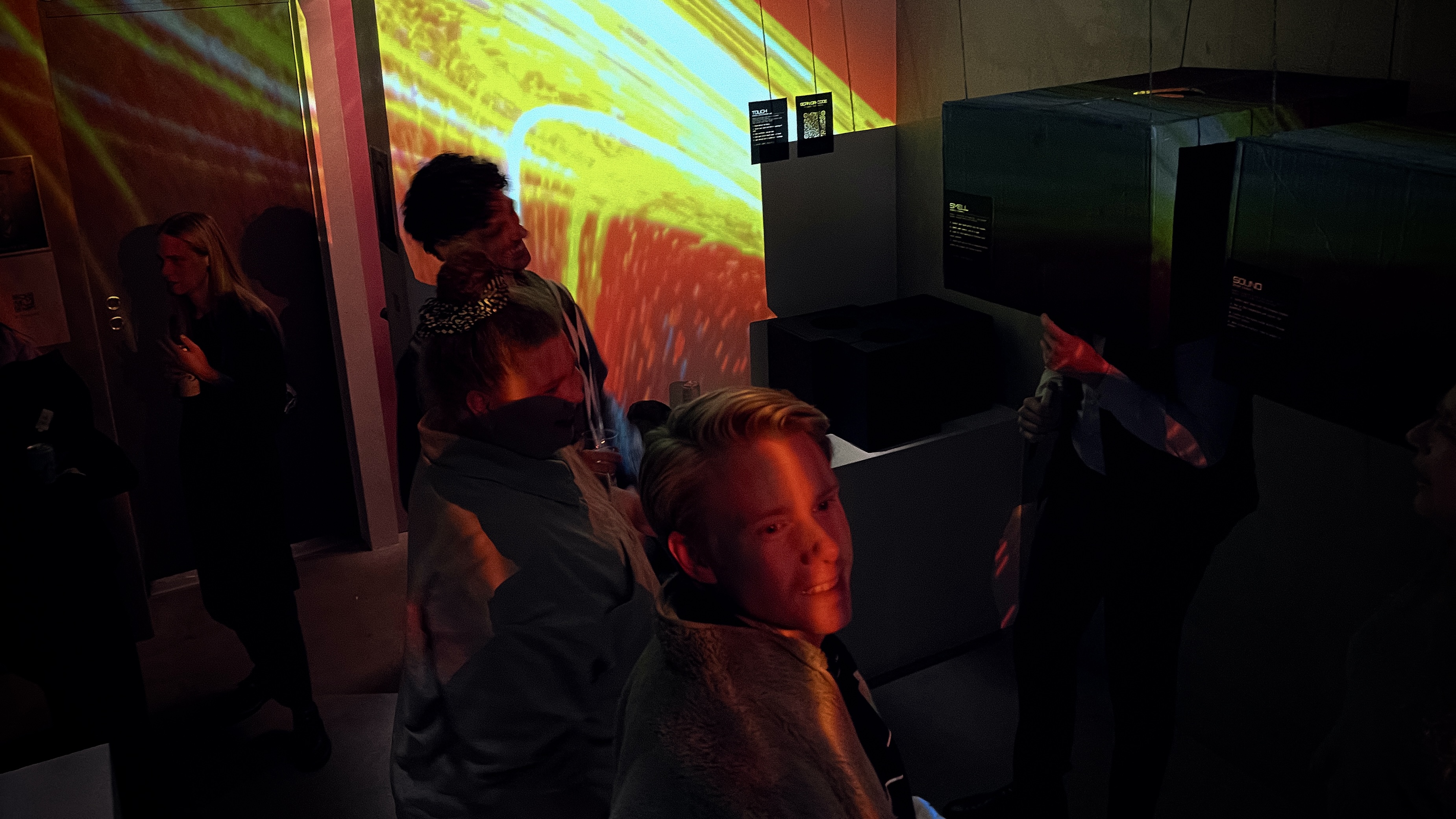
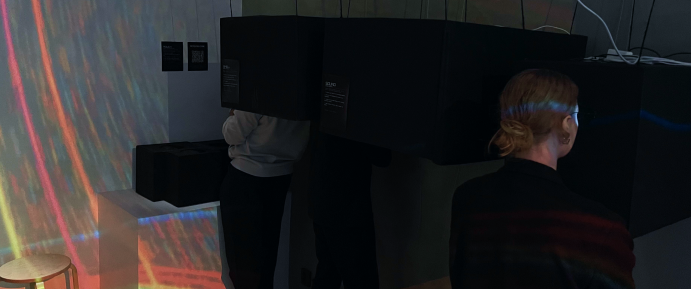
To make this perspective believable, we built a fictional extraterrestrial research facility. Visitors became researchers studying an extinct species, while every room, instruction panel and interaction reinforced the illusion that humans were being examined for the first time.
INTERACTION DESIGN
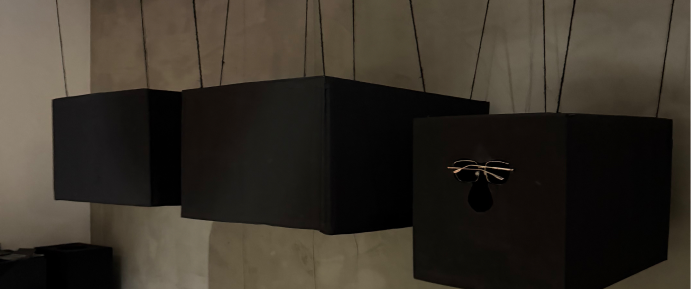
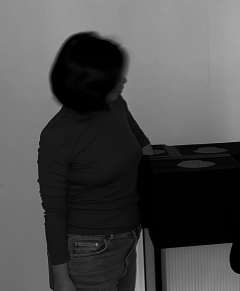
We wanted visitors to learn by doing, not by reading. Every station required participation, like watching, listening, touching, smelling or tasting -turning observation into a personal experience rather than passive consumption.
TECHNOLOGY SELECTION
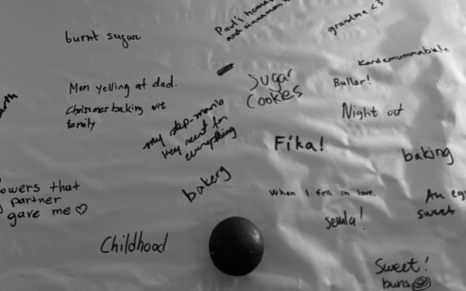
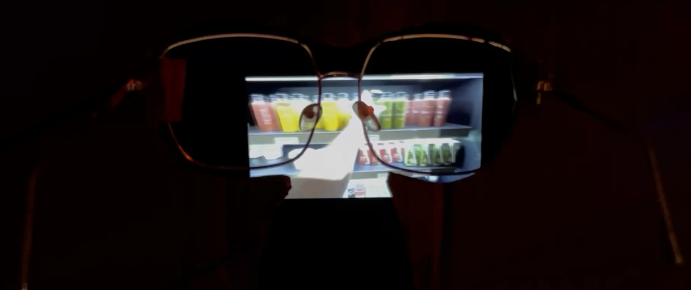
Each technology was chosen because it strengthened a specific sense or emotional moment. AR extended perception, physical computing created tactile feedback and spatial audio transformed listening into a dreamlike experience.
VISITOR JOURNEY
The exhibition was designed as a gradual emotional progression. Visitors moved from curiosity to playfulness, reflection and finally introspection, with each station building upon the previous one to create a cohesive narrative.
EMOTIONAL REFLECTION
The goal wasn't to teach visitors about humans. It was to make them leave with a renewed appreciation for the beauty, contradictions and shared experiences that define us.