FASHION
KORU
INSPIRED BY: PYER MOSS
FEATURED PROJECT
The world brings African mythology, culture and contemporary Black identity into a modern fantasy setting where the supernatural exists alongside everyday life.
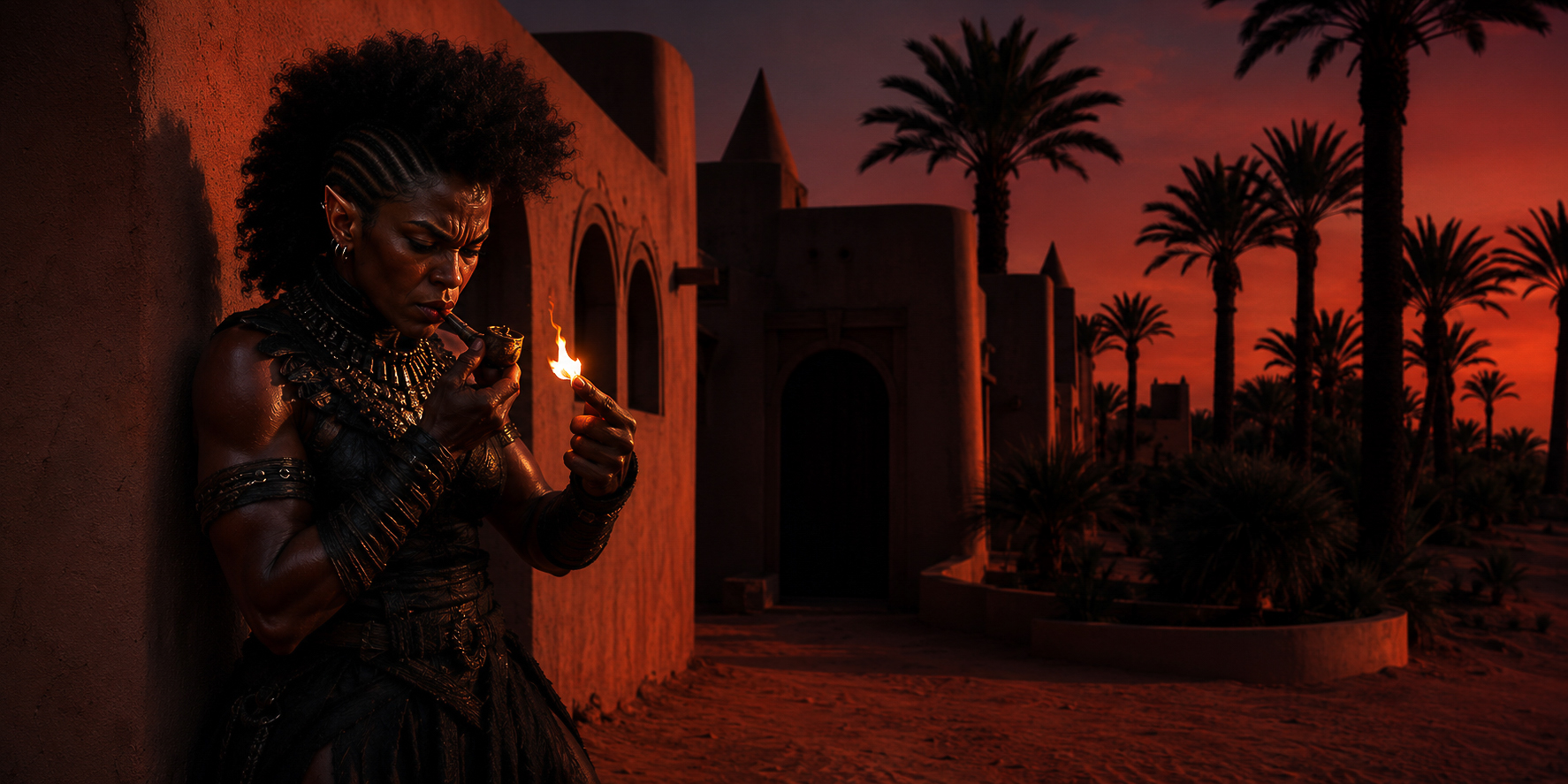
The project is an homage to African and African-diasporic culture, drawing from mythology, spirituality, architecture, landscapes, fashion, music and contemporary Black culture.
Rather than approaching Africa through familiar images of poverty or Afrofuturist utopia, the goal is to explore a broader visual identity, one where ancient traditions and modern Black life naturally coexist.
Real cultural influences form the foundation of the world, but are reinterpreted into something fictional, allowing the game to celebrate its inspirations while developing an identity of its own.
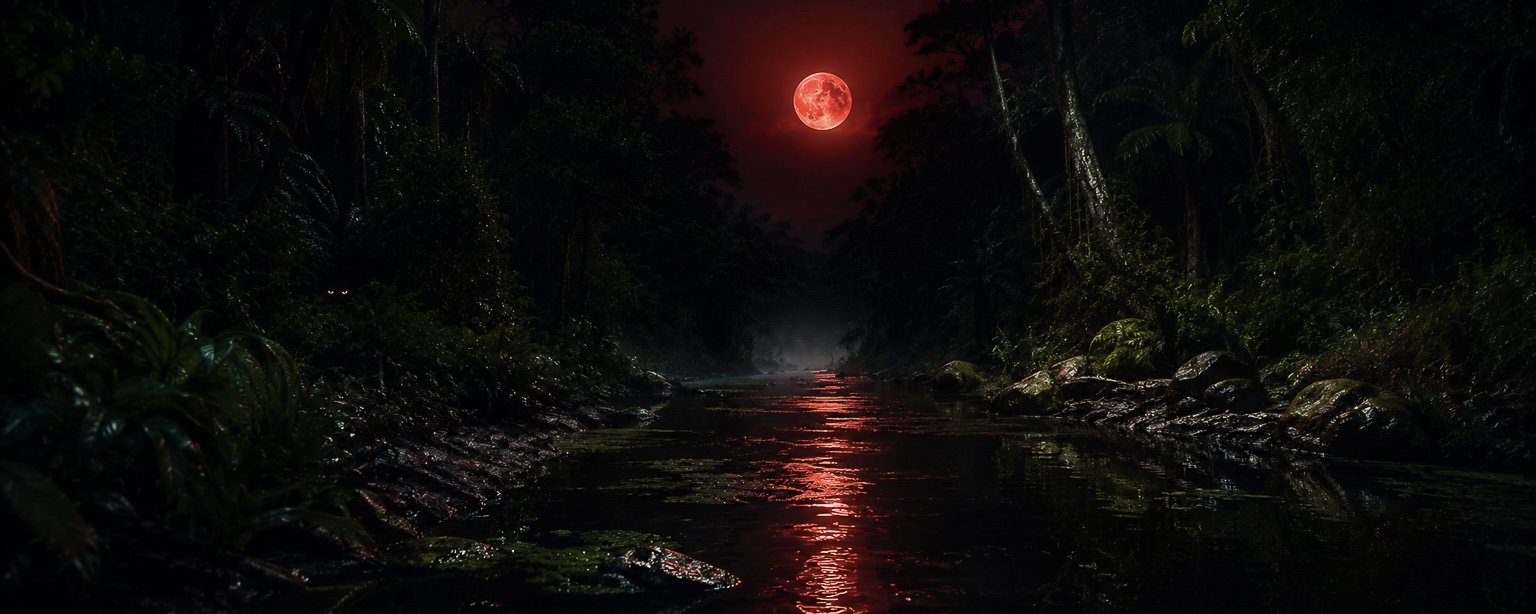
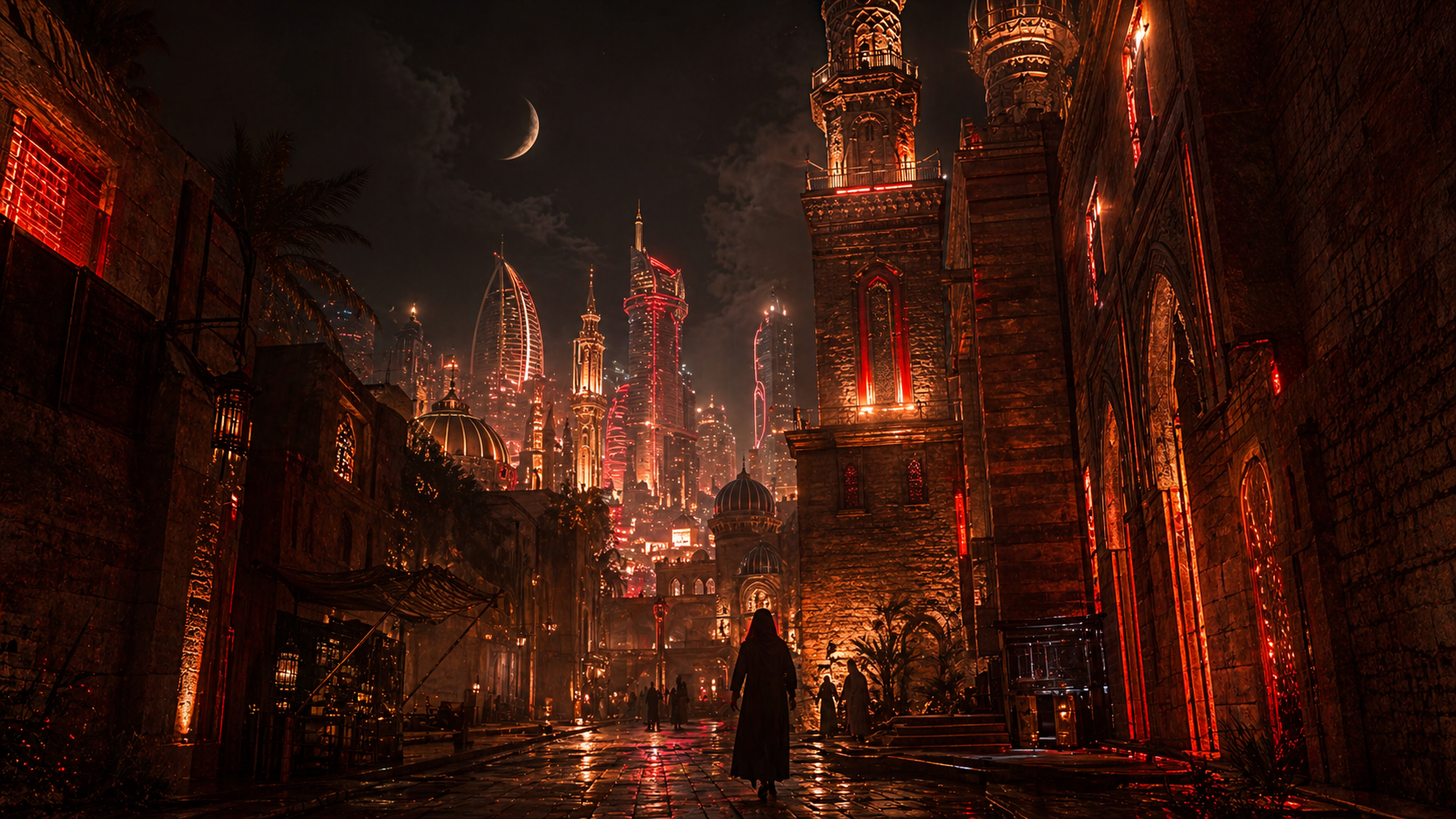
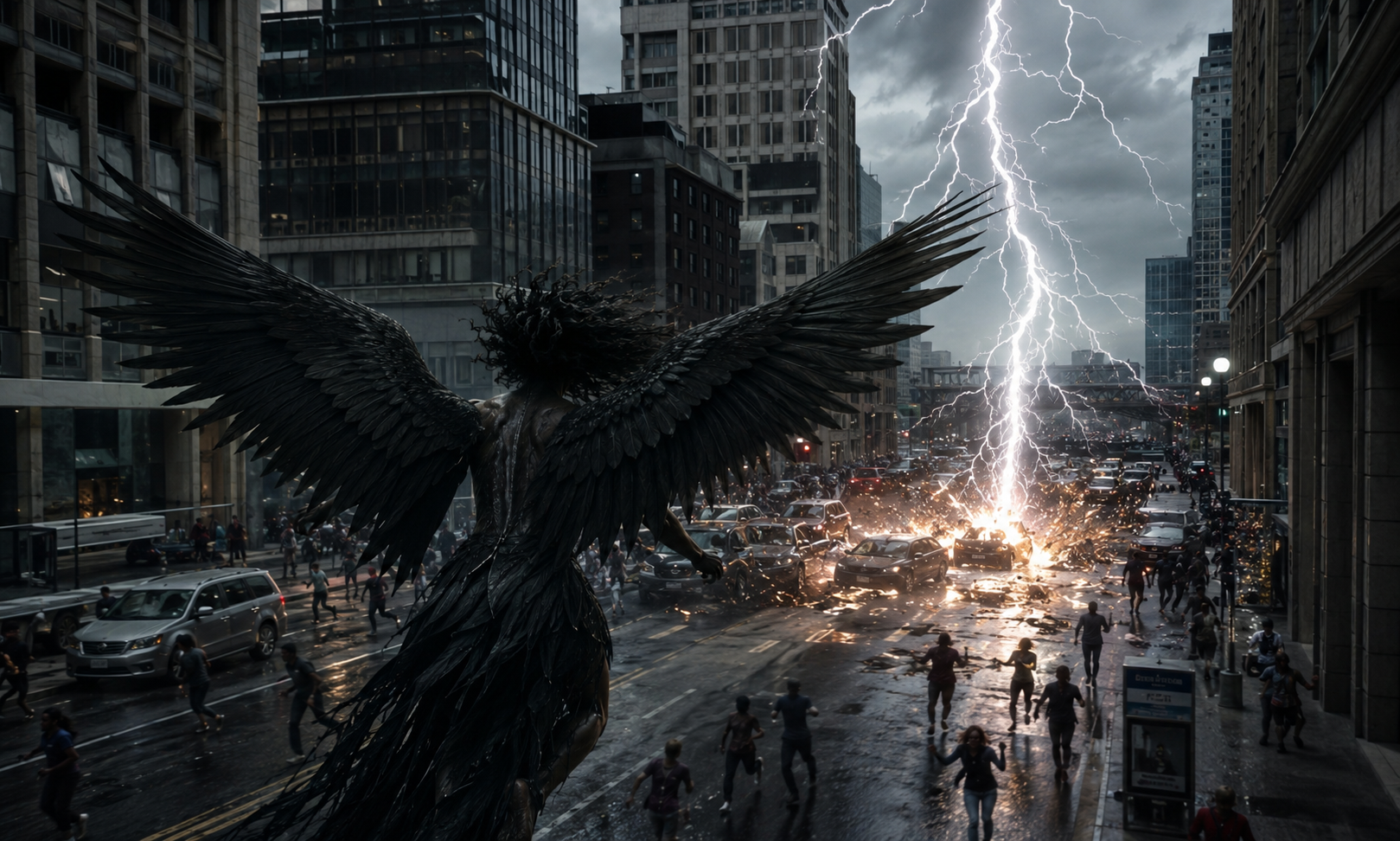
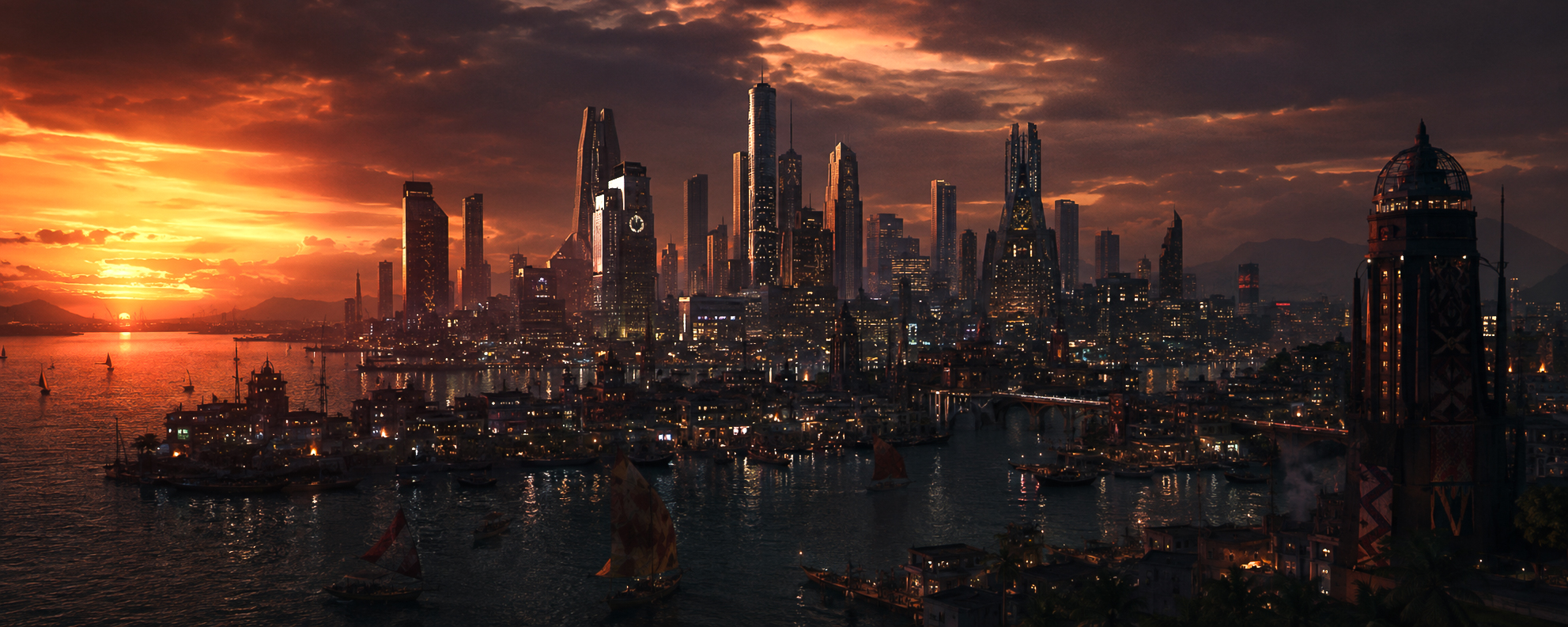
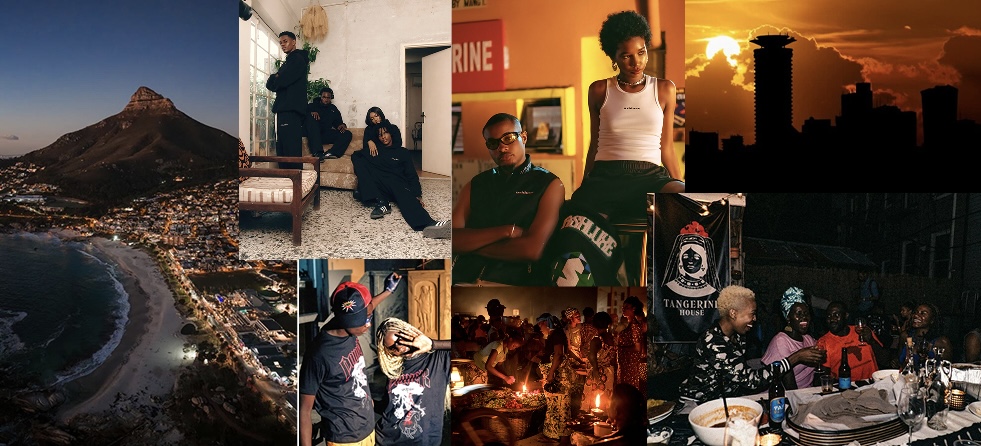
The environments draw inspiration from contemporary African cities, landscapes and social spaces, with a particular focus on the energy and visual identity of modern city-life. Urban architecture, coastal landscapes, fashion, music and communal spaces establish a world that feels current and lived-in.
Warm sunsets, dense city silhouettes and intimate interiors create a sense of place. Fashion and streetwear further influence the environments, allowing the tribes inhabiting these spaces to become part of their visual identity.
The goal is to build environments that feel unmistakably connected to the continent of Africa while avoiding familiar portrayals as either impoverished or futuristic. Instead, the world finds its identity in the everyday-life. My vision is creating a grounded reality from which the game's mythology and supernatural elements can emerge.
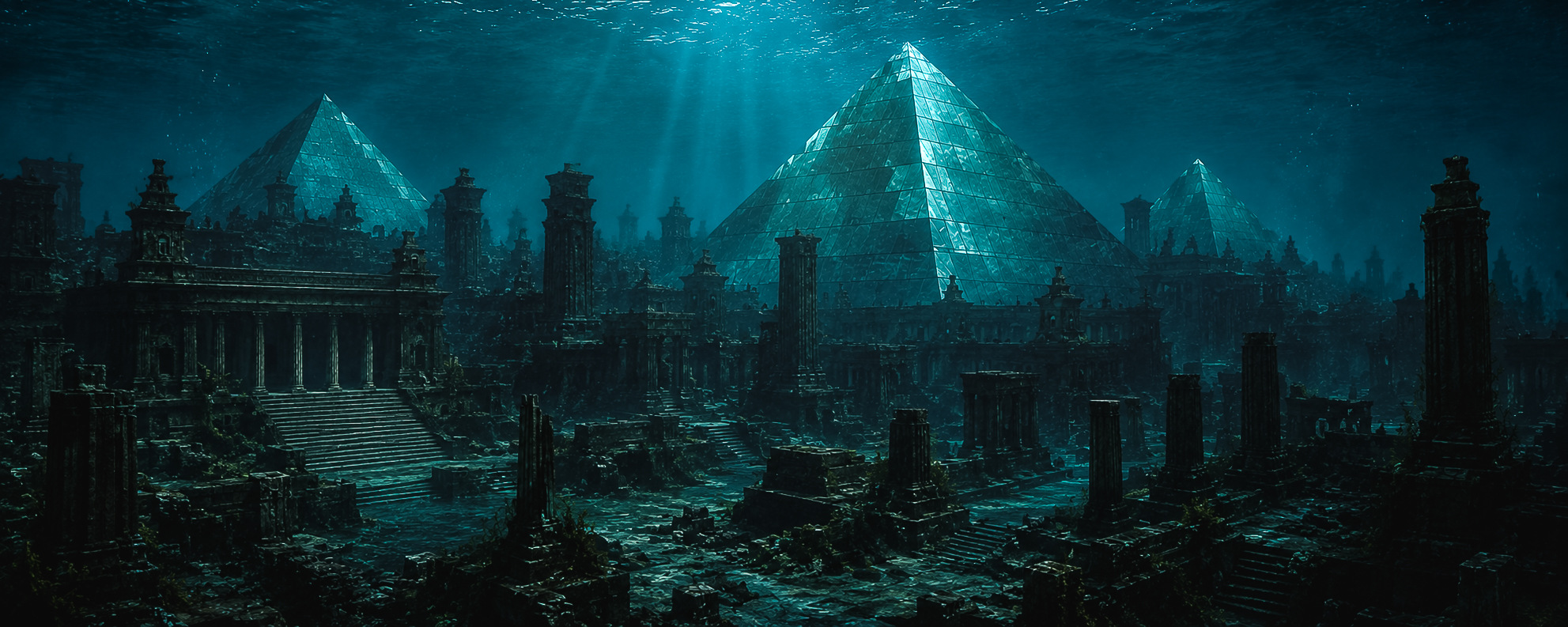
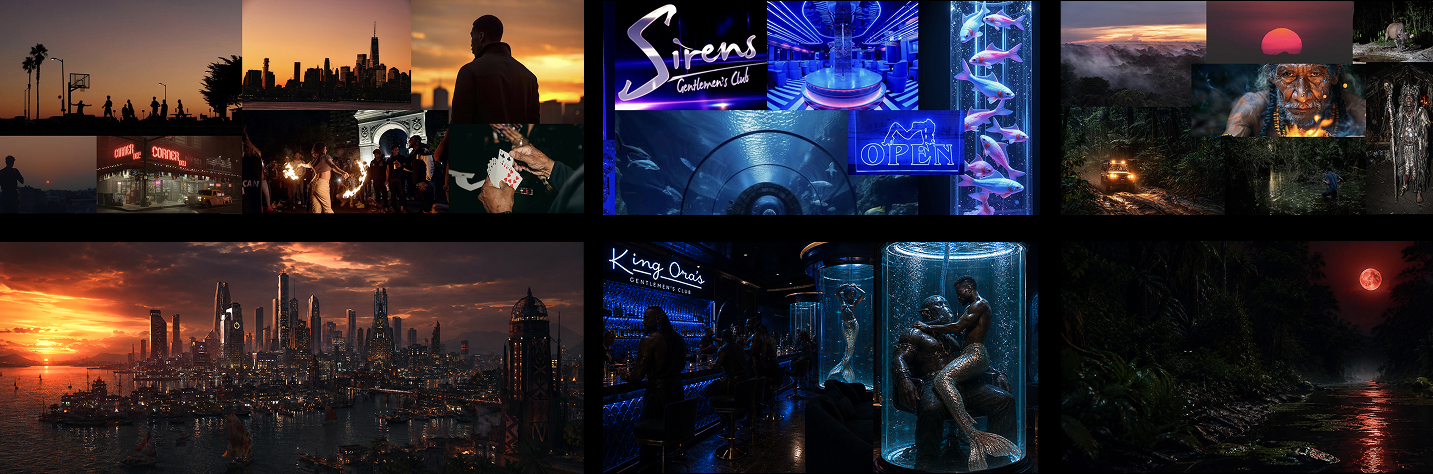
The environments are built around contrast. Dense tropical forests exist beside sprawling cities, familiar streets, clubs and homes can sit only moments away from places shaped by ancient forces.
Nature is never simply background scenery; forests, rivers, coastlines and oceans carry both history and danger.
This contrast between the modern and ancient, familiar and supernatural, urban and wild gives each location its own identity while keeping the world visually connected.
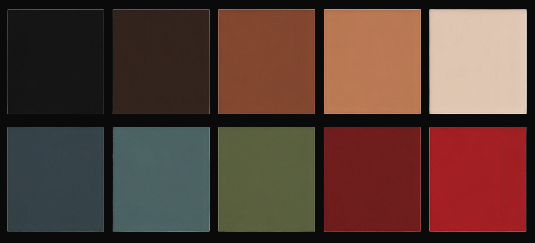
Color establishes both place and emotion. Deep blacks and muted earth tones form the base, with reds, burnt oranges, blues, greens and warm neutrals used as accents.
The palette draws from traditional African fashion, textiles and visual art, where color carries strong cultural meaning.
Warm tones suggest energy and danger within inhabited and ritual spaces, while cooler blues and greens evoke mystery in forests and underwater areas.
Instead of a single global grade, the palette shifts by environment while maintaining rich shadows, restrained saturation and cinematic contrast.

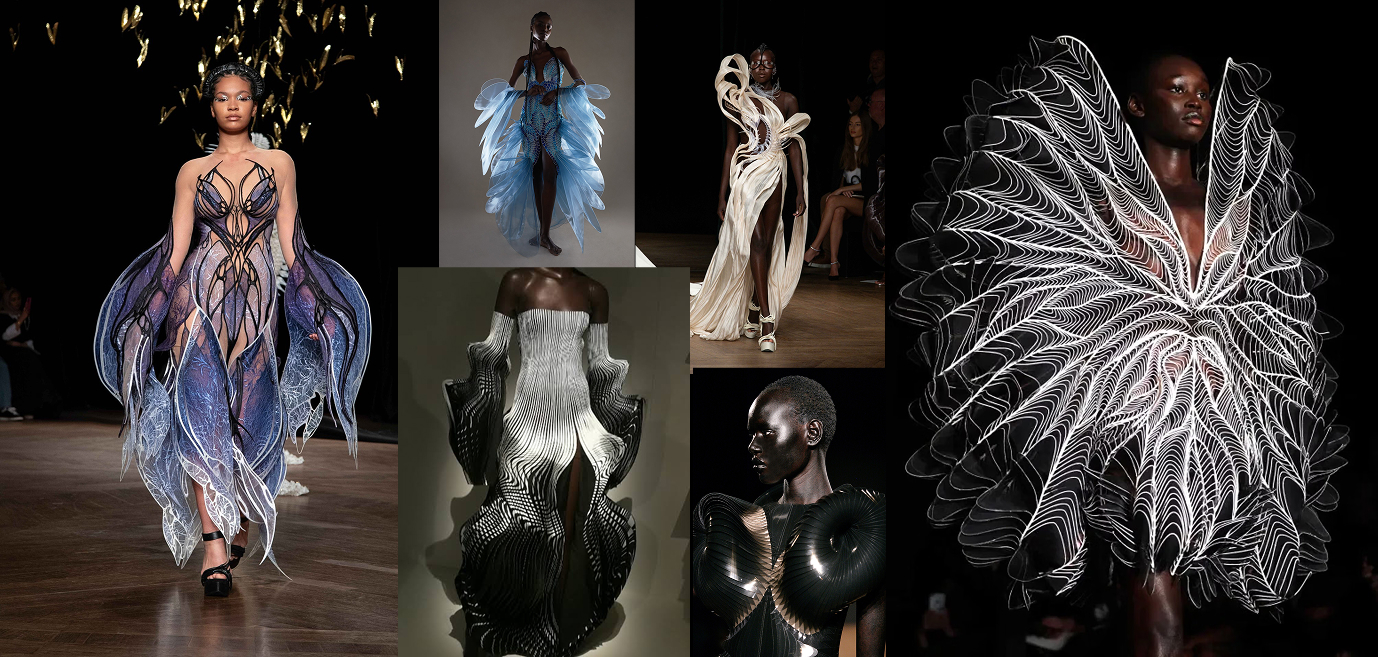
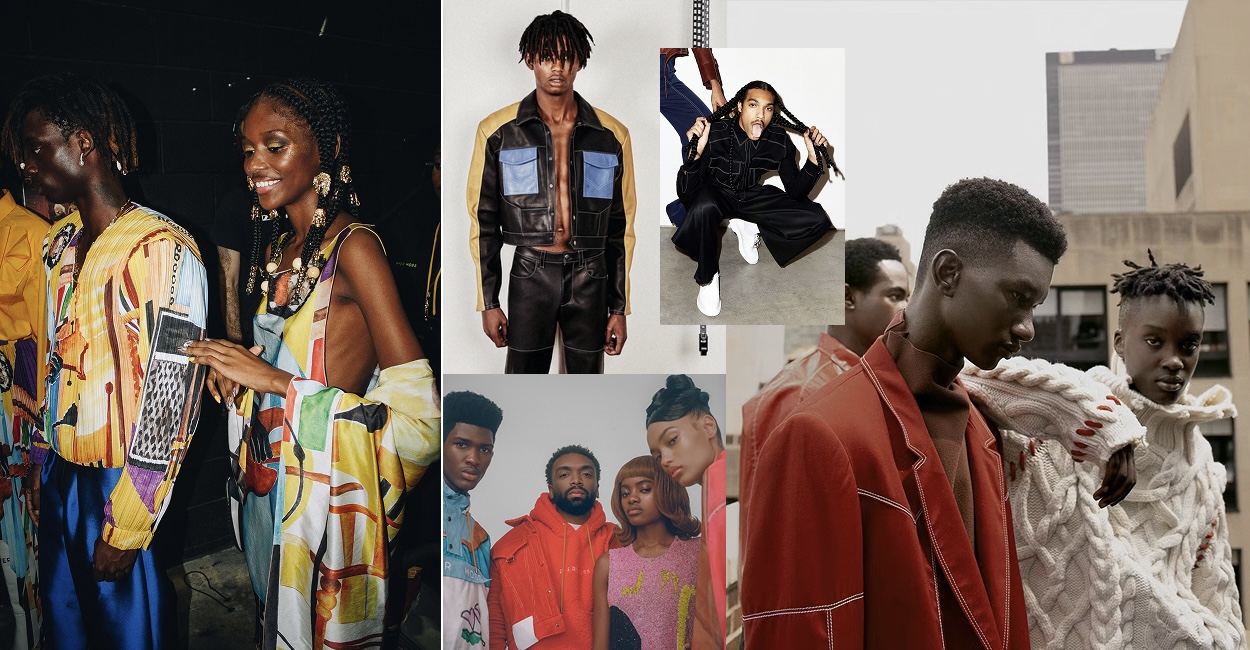
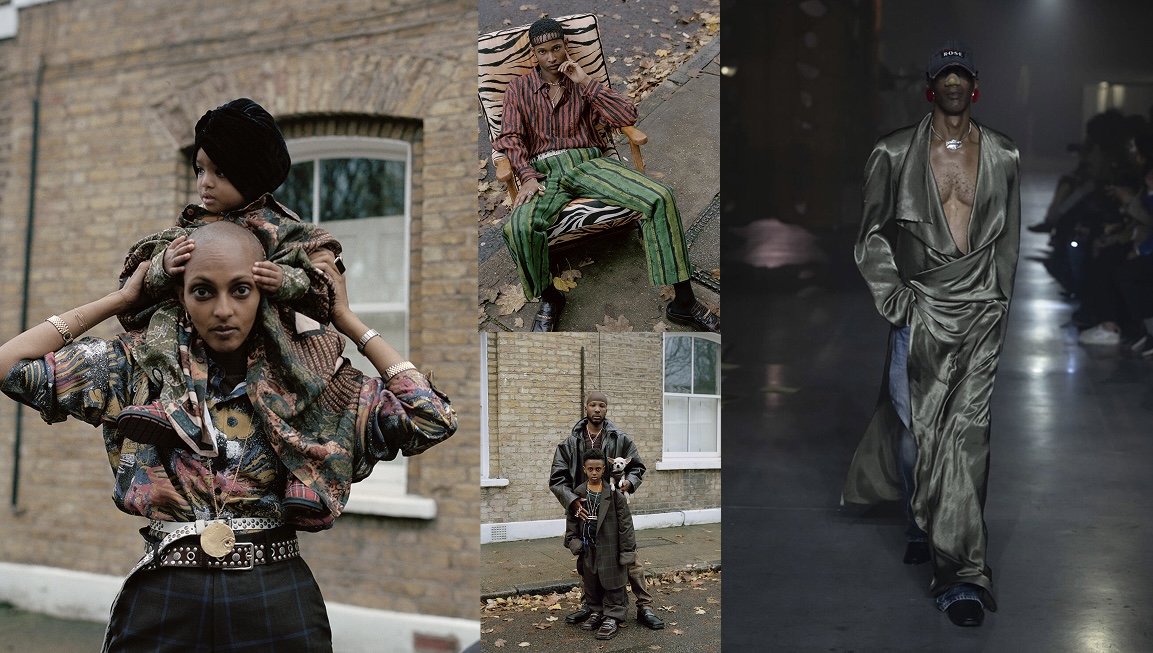
Fashion is used as a visual language to clearly distinguish the Koru, Jengu and Azari, allowing players to recognize each tribe through silhouette and clothing alone.
The Koru, inspired by Pyer Moss, favor grounded silhouettes, expressive patterns, layered fabrics and relaxed tailoring.
The Jengu, inspired by Iris van Herpen, have a more fluid and ethereal aesthetic defined by sculptural forms, translucent materials and silhouettes that evoke water and organic life.
The Azari, inspired by Martine Rose, lean into contemporary streetwear, sportswear and unconventional proportions, creating a relaxed yet distinctive urban identity.
Together, these different fashion languages give each tribe an immediately recognizable identity while connecting the fantasy world to contemporary Black culture and design.