
TRIBES
JENGU
ALLURING - FLUID - MISUNDERSTOOD
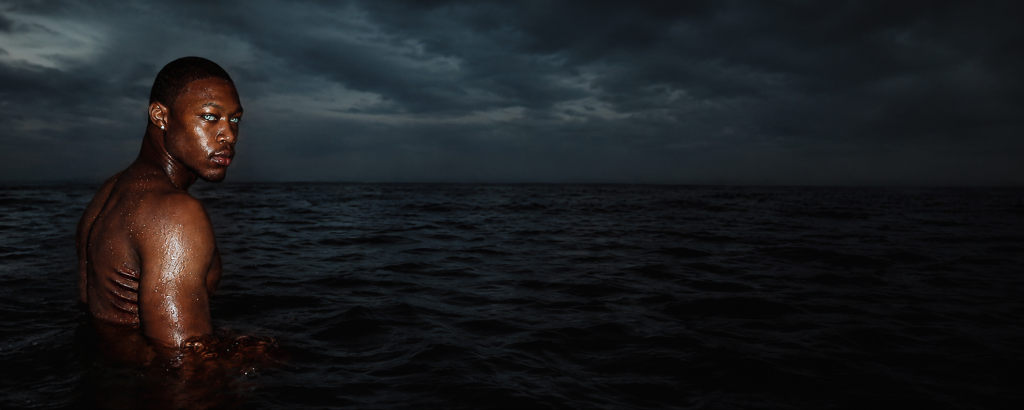
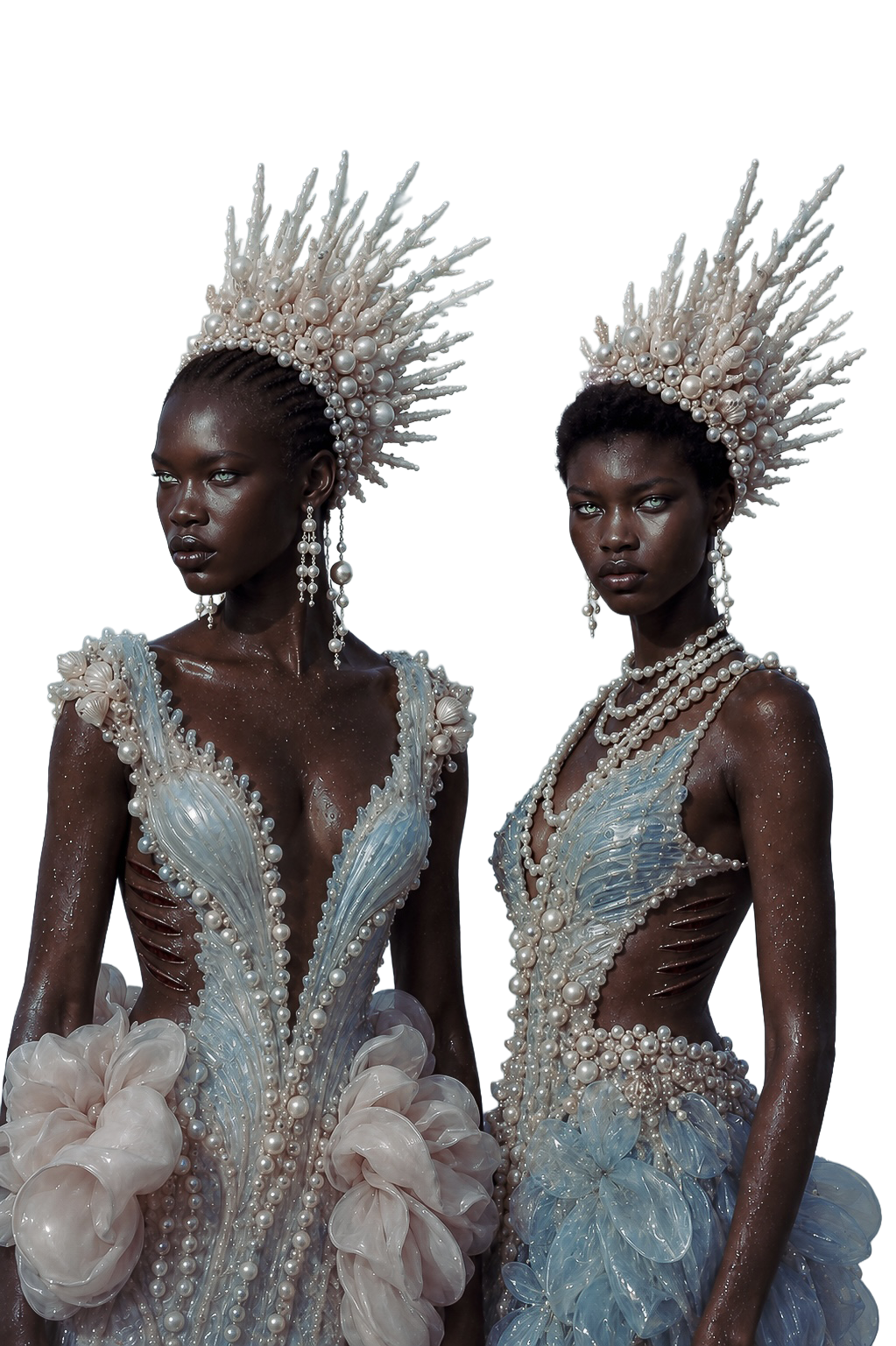
An ancient people born of the ocean, the Jengu once ruled magnificent kingdoms beneath the waves. Now displaced into a world that desires them as much as it distrusts them, they are fighting to preserve what remains of their identity.
ABOUT
The Jengu are an ancient race of sirens whose culture, magic and history are inseparably tied to water. Once spread across oceans around the world, they built magnificent underwater civilizations filled with temples, monuments and sprawling cities.
THE JENGU DIASPORA
Their civilization changed dramatically during the Jengu Diaspora, when pollution made large parts of the ocean increasingly difficult to inhabit. Many Jengu abandoned their ancestral waters for coastal settlements and major cities, while others remained in increasingly contaminated seas. Modern Jengu therefore exist between two worlds: the ancient ocean culture they inherited and the urban societies they have been forced to adapt to.

ABILITIES
A handfull of Jengu possess supernatural abilities connected primarily to water, attraction and perception.
OLOKUN’S GIFT
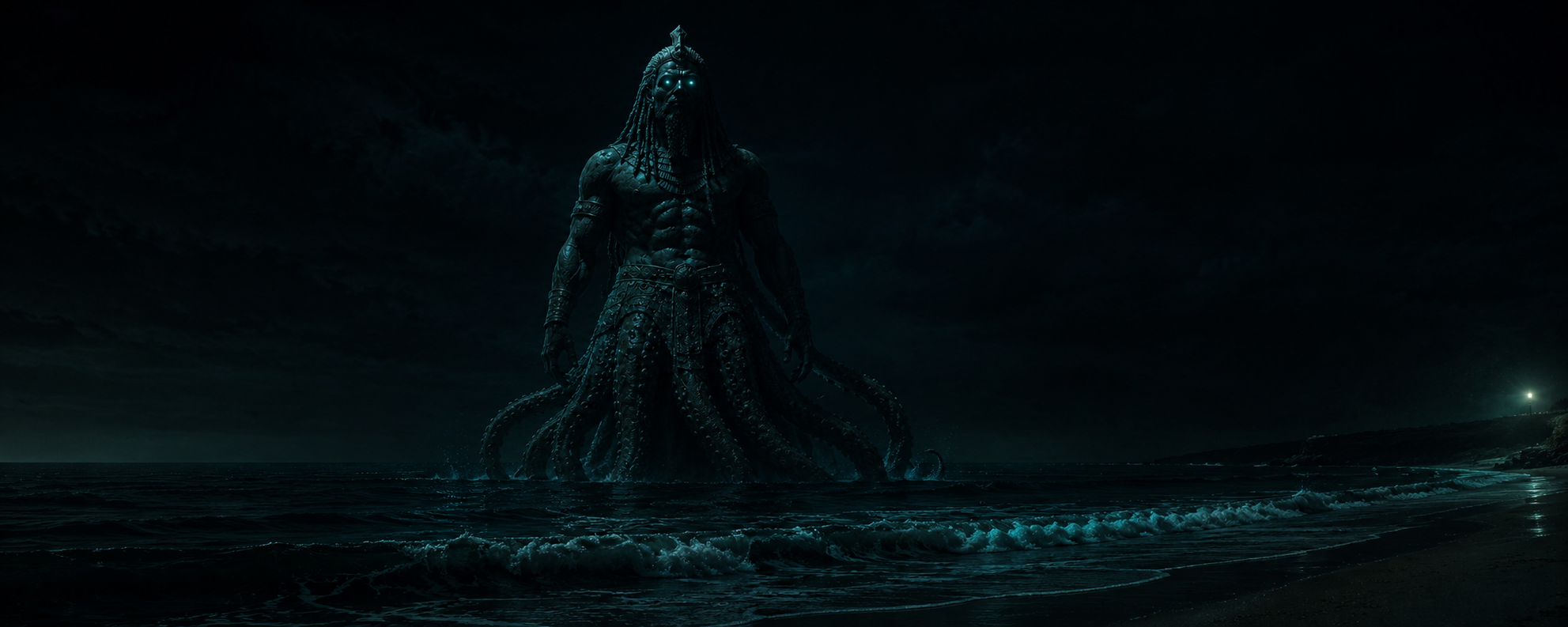
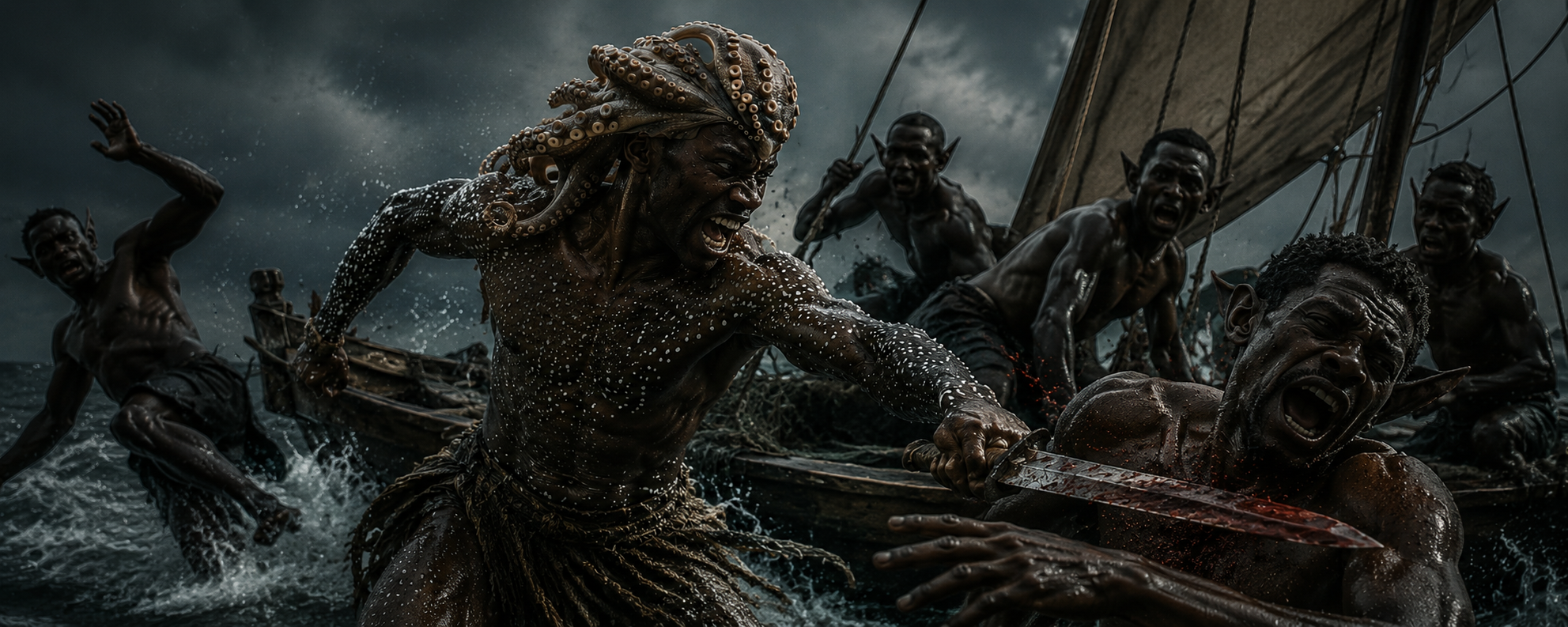
Among the many gods worshipped by the Jengu, Olokun is the most revered. As the god of justice and dark magic, Olokun gave the Jengu a way to survive on land after pollution made much of their ancestral seas uninhabitable. Through a forbidden ritual, he granted them the ability to temporarily transform their fins into human-like legs and live among the other tribes.
Today, this practice is known as the “Legs for Days” ritual. The transformation lasts for seven days, requires a litre of Azari blood, and immediately ends if the Jengu comes into contact with salt water. In modern cities, the ritual has become part of an illegal underground trade, allowing Jengu to temporarily leave the water and build lives on land
In exchange for the ritual, Olokun demanded that each year, one dualborn child (born to parents from different tribes) would be sent to him on their 16:th birthday - to serve and become a vessel for him to traverse the world freely.
The dualborns sent to Olokun are often called “The Olokai”.

SEXUALIZATION & STEREOTYPES
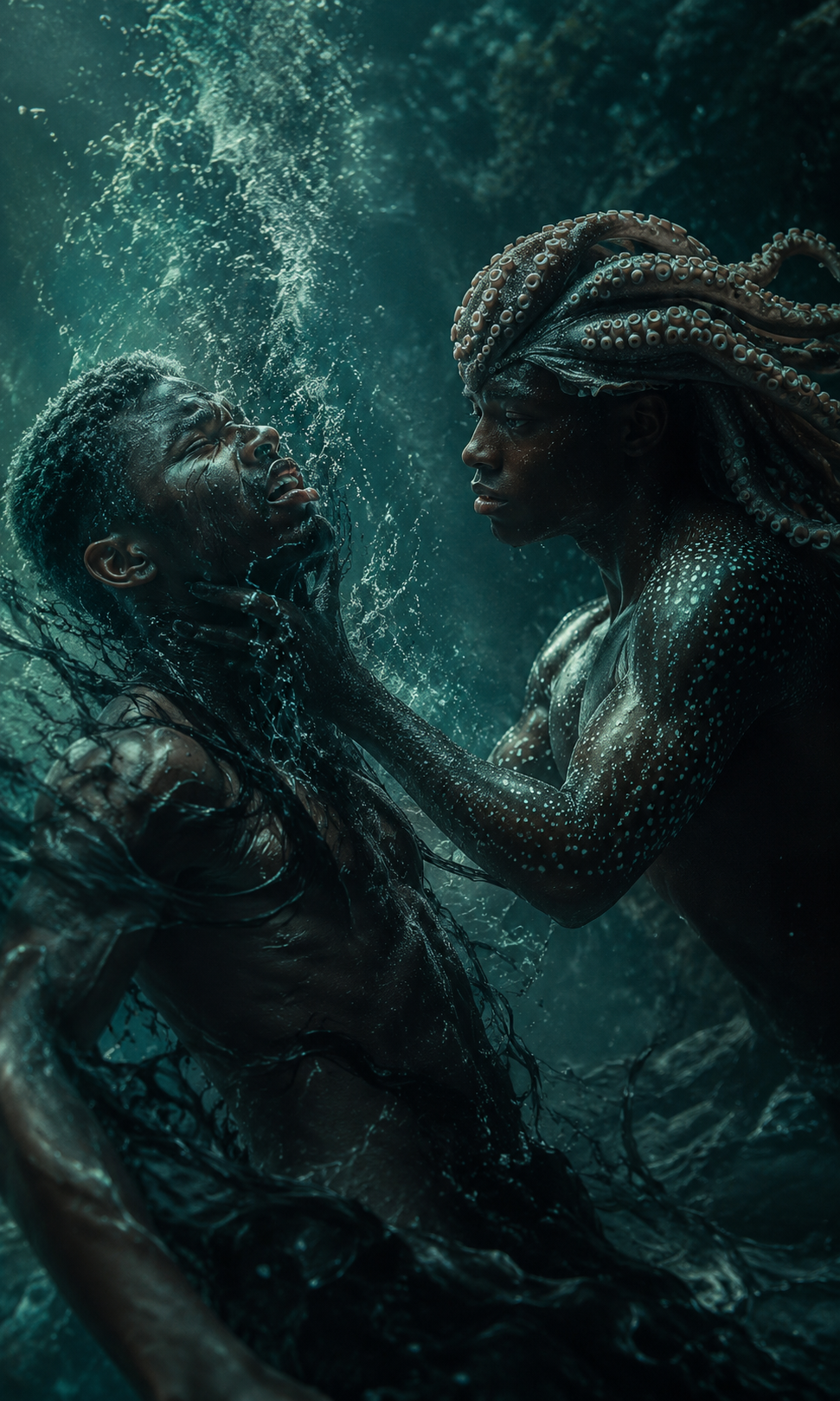
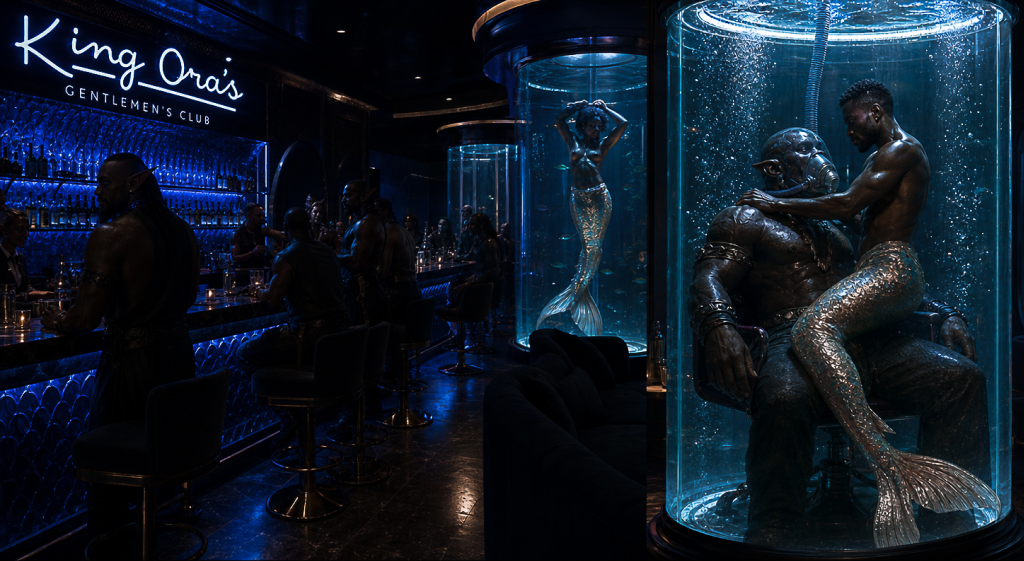
The Jengu are widely known for their beauty and intoxicating charm, but these qualities have also shaped how other tribes perceive them.
They are frequently stereotyped as seducers, manipulators and gold-diggers, causing many people to distrust them regardless of whether an individual Jengu possesses their rare abilities related to attraction.
In larger cities, Jengu bodies and beauty have become heavily sexualized. Many find themselves pushed toward industries where their appearance is treated as a commodity, reinforcing existing stereotypes about their people. Their ability to influence attraction only deepens this suspicion, creating a cycle in which Jengu are simultaneously desired, exploited and distrusted by the societies around them.
TRIBES
AZARI
SPIRITUAL - MYSTICAL - TRADITIONAL
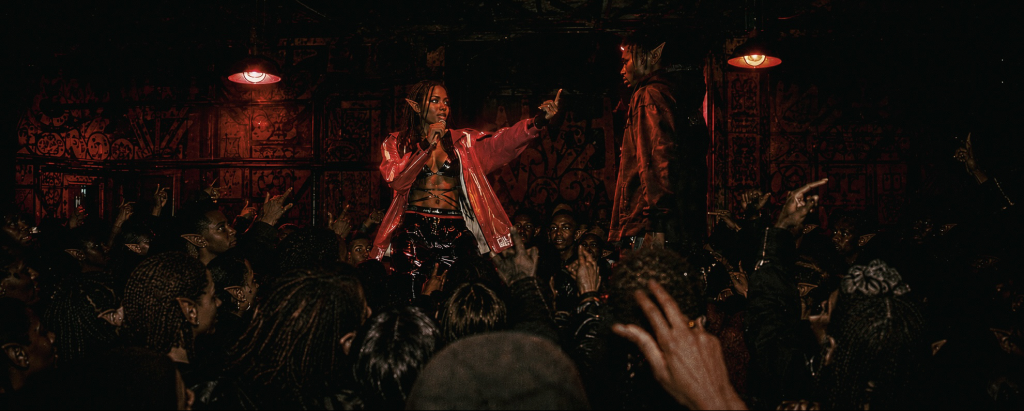
An ancient elven people whose magic is deeply rooted in nature, the lands they inhabit, and traditions passed down through countless generations.

ABOUT
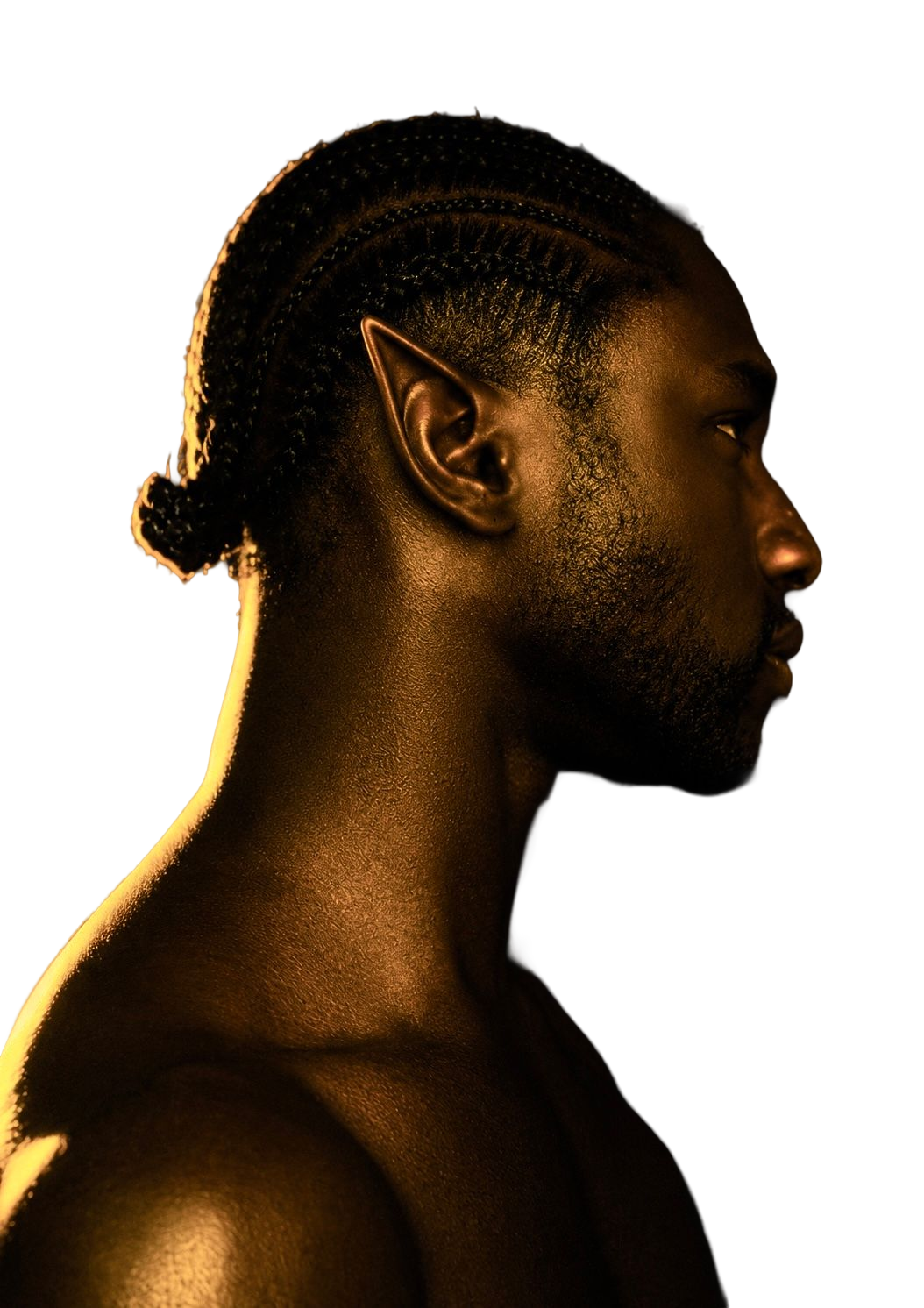
The Azari are an elven race made up of fewer than a hundred clans. Each clan worships its own god, represented by an animal found in the mortal world. These animals are believed to resemble their gods, making all animal life sacred to the Azari. Harming one is considered a serious act of blasphemy and has even caused wars between clans in the past.



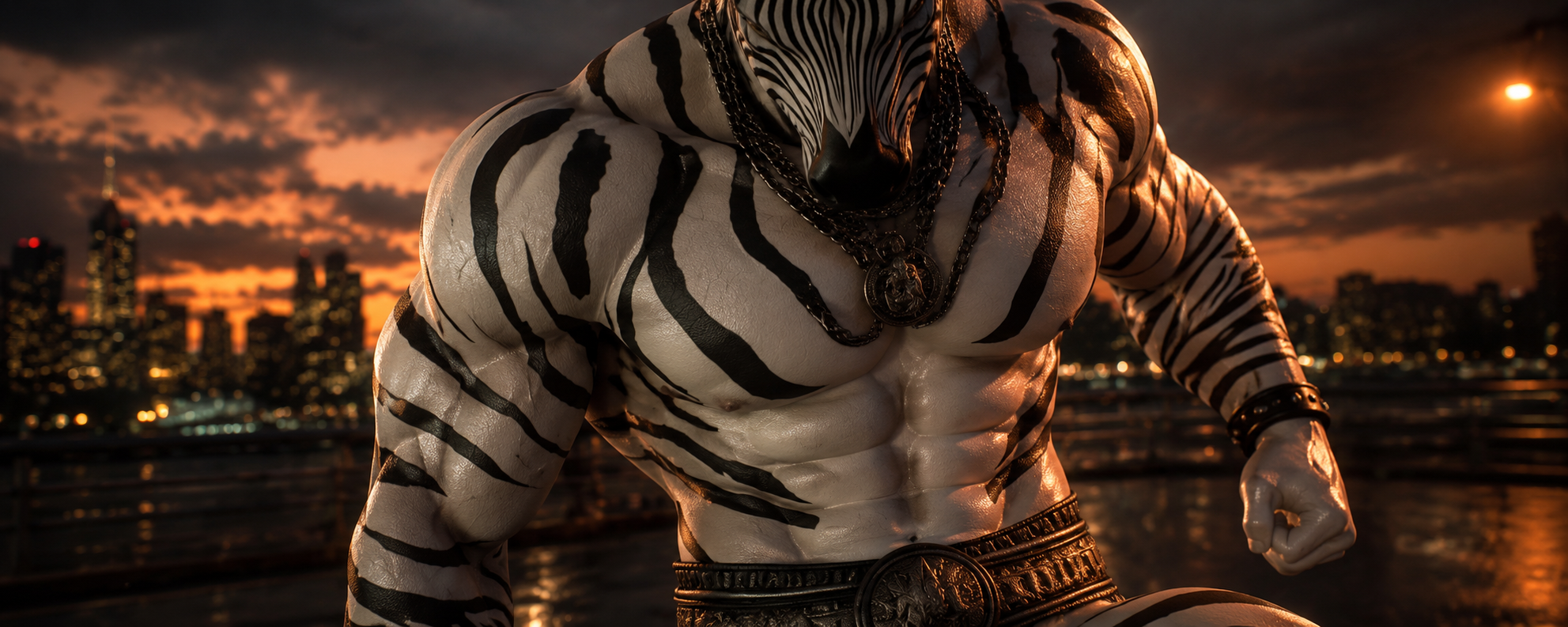

DIVINE BLOOD
A rare Azari can be born with Divine Blood, giving them a special connection to their clan’s god. They can transform into a Land-Form, a powerful mix between an Azari and their clan’s sacred animal. This form gives them abilities based on that animal, such as greater strength, speed, senses, or healing.
Those born with Divine Blood are believed to be reincarnations of their clan’s god and are treated with great respect, sometimes even worshipped. Only one Azari in each clan can carry Divine Blood at a time, making them extremely rare. Because of this, being born with Divine Blood is considered one of the greatest honors among the Azari.
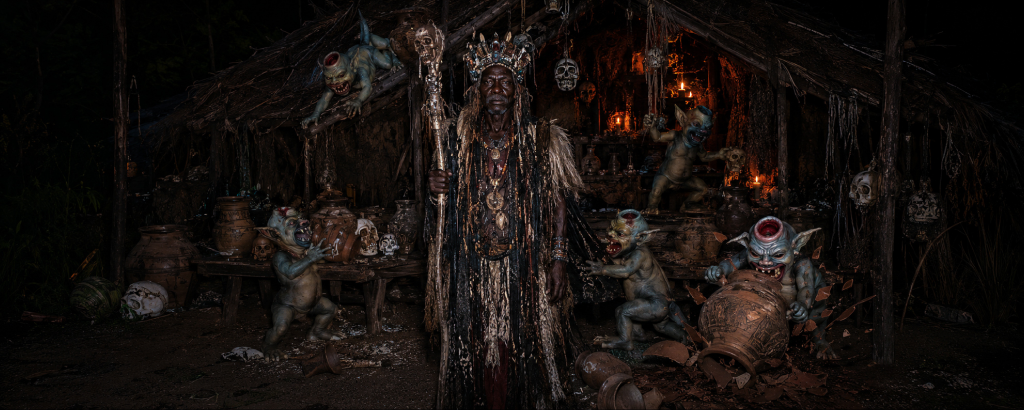
SHAMANS
Azari Shamans are ancient spiritual practitioners believed to have the closest connection to the Azari gods. Masters of forgotten magic and rituals, they possess powerful healing abilities and, during a Red Moon, can cross into the realm of the gods and return to the mortal world. Once respected as spiritual guides, modern society largely views them as pagan and irrelevant. Most have abandoned civilization entirely, choosing to live alone in the remote outskirts of the world, where they continue to preserve traditions and magic that would otherwise be lost.

TRIBES
KORU
ENDURING - DOMINANT - UNYIELDING
Born from stone and ash, the Koru rose from centuries of oppression to become the architects of modern society. Today, they rule from positions of power; unyielding, feared, and rarely challenged.

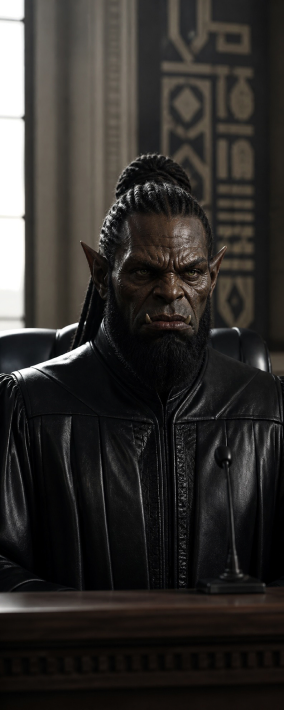
ABOUT
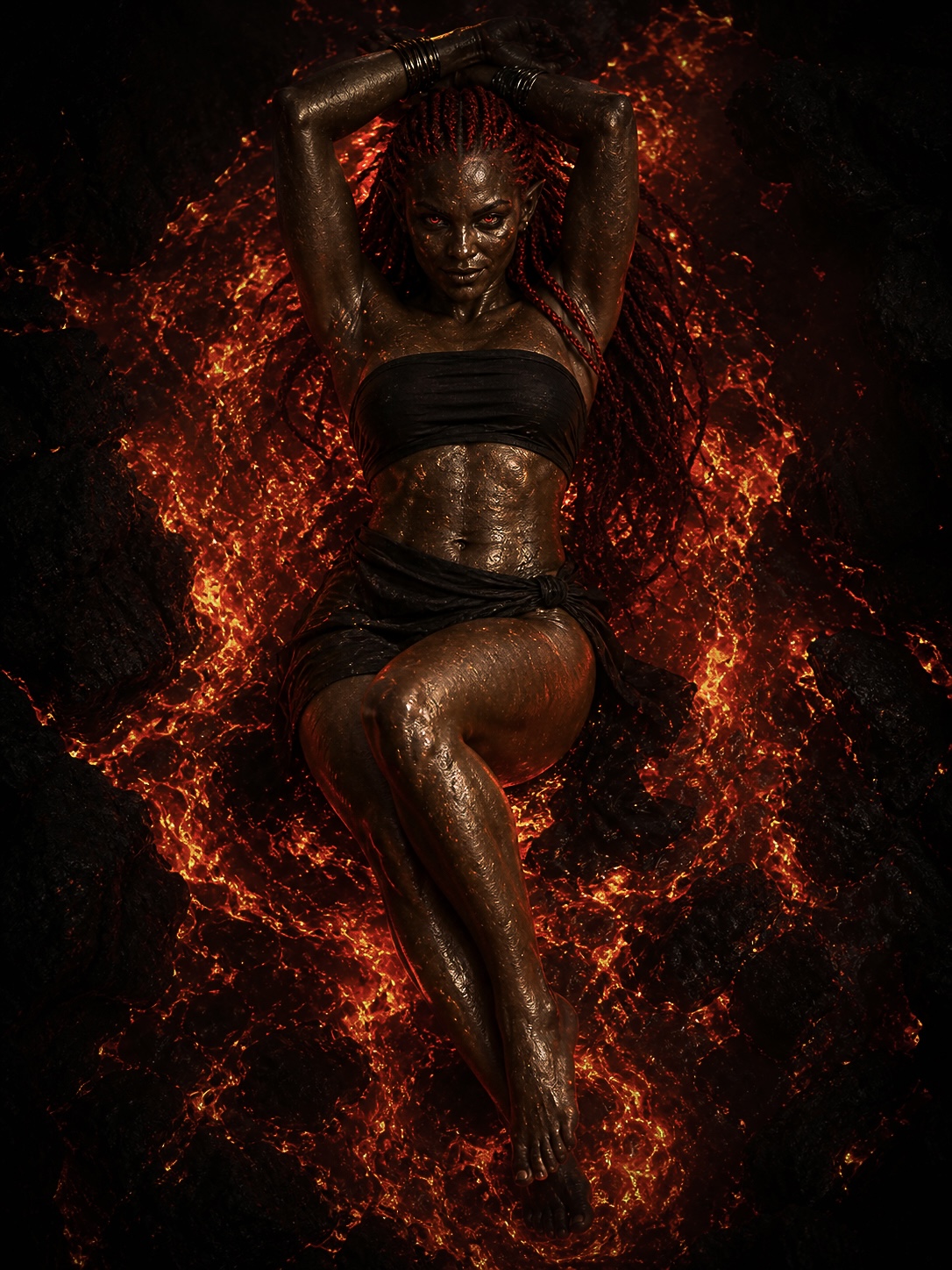
The Koru are a powerful people originating from the world’s mountainous regions. Said to have been born from stone and ash, they are known for their immense strength, power and endurance.
Koru are often vigilant, cold and short-tempered, with a natural toughness that extends beyond their bodies to their personalities. They form strong bonds among themselves but are notoriously difficult to get close to if you belong to another tribe.
Today, the Koru sit at the top of modern society. They dominate positions in government, law, architecture and other prestigious institutions, particularly within the centers of the world’s largest cities. Their intimidating reputation means few Azari or Jengu openly challenge their authority, and even fewer would willingly challenge a Koru to a fight.
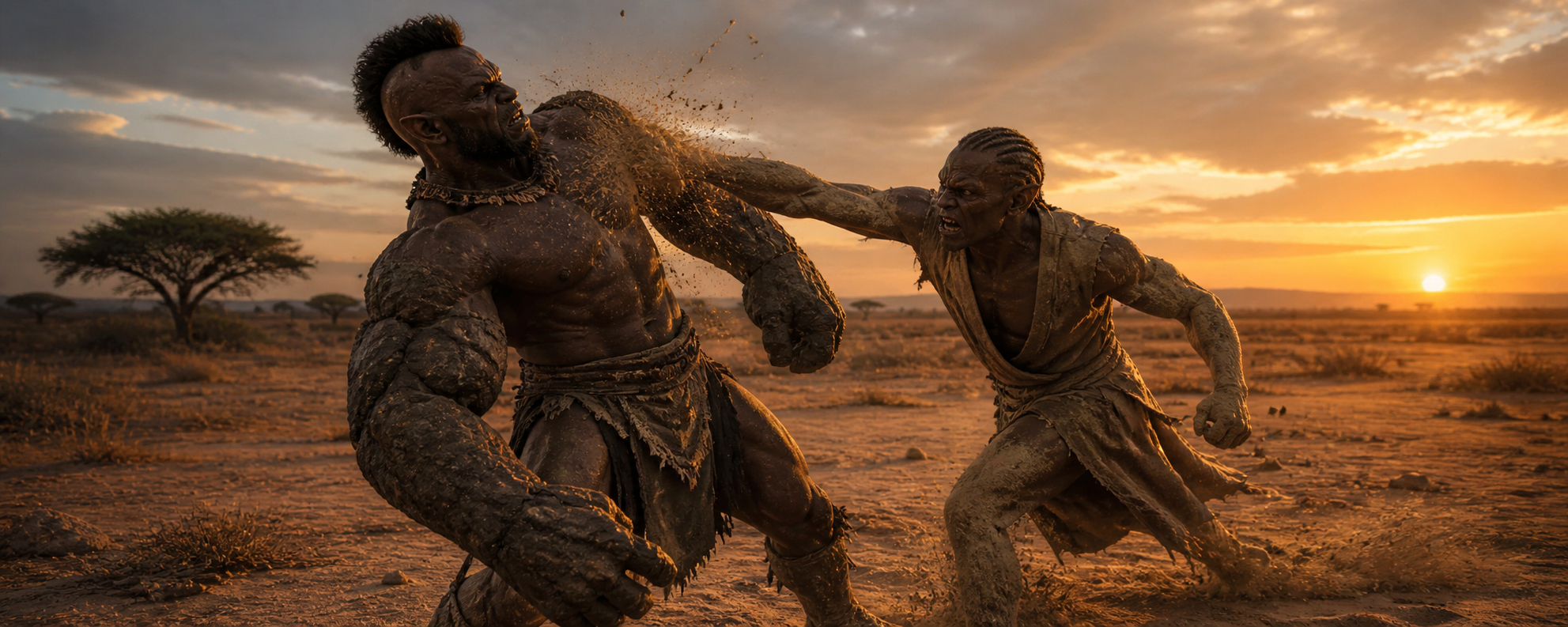
ABILITIES
Koru tradition teaches that their people are descendants of Mother Earth herself, and that some are born carrying a fragment of her power. These individuals possess the ability to manipulate a single earthly substance, such as stone, sand, magma, crystal or wood.
A Koru born with such an ability is expected to become a Guardian; An elite protector trained to maintain peace and defend society. Service is not considered a choice. Those who refuse their responsibility risk being banished from Koru society entirely.
HISTORY
Centuries ago, the Koru lived under the rule of the White King, an Azari ruler who conquered their lands and forced much of their population into brutal physical labor.
Their natural strength and endurance were exploited for generations, until the Koru eventually rebelled, overthrew the White King and brought his reign to an end. The rebellion was led by a female Koru named “Aza”, born with the ability to manipulate magma and lava.
In the society that emerged afterward, the Koru became one of the dominant political forces responsible for rebuilding civilization. Over generations, this reversal of power became deeply embedded within its institutions. The Koru now occupy many of society’s most powerful positions, while much of the dangerous and physically demanding work once forced upon them has fallen to the Azari.
RELATIONS WITH OTHER TRIBES
Despite centuries having passed since the reign of the White King, resentment toward the Azari remains deeply rooted in Koru society.
For many, the suffering of their ancestors continues to justify the unequal treatment of Azari today. This has created a cycle in which historical revenge has gradually transformed into systemic discrimination.
Their relationship with the Jengu is very different, but equally complicated. Koru generally have little cultural connection with them, yet many consider the Jengu exceptionally beautiful and are strongly attracted to them. This fascination can border on jealousy and obsession. Despite desiring Jengu intimately, Koru often treat them poorly outside of sexual or romantic encounters, creating a relationship defined more by attraction and objectification than genuine respect.